The health insurance portability and accountability act is a united states federal statute enacted in 1996 to provide greater protection for individual's medical information and prescribe. A signed hipaa release form must be obtained from a patient before their protected health information can be shared for non-standard purposes. it is a hipaa violation to release medical records without a hipaa authorization form. The health insurance portability and accountability act of 1996 (hipaa) is a federal law that required the creation of national standards to protect sensitive patient health information from being disclosed without the patient’s consent or knowledge. Dec 10, 2020 · frequently asked questions for professionals please see the hipaa faqs for additional guidance on health information privacy topics.
Apr 02, 2018 · what is the relationship between hitech and hipaa and medical records? title i of hipaa is concerned with the portability of health insurance and protecting the rights of workers between jobs to ensure health insurance coverage is maintained, which have nothing to do with the hitech act. Jan 12, 2018 · the hitech act reducing the fee for medical records in virginia and across the nation the health information technology for economic and clinical health (hitech) act, which was signed into law in 2009, provides attorneys and hipaa act medical records clients with a new way to obtain medical records at a lower cost. Fail to properly safeguard medical information, such as leaving a patient's medical records behind on a train or losing a usb drive with medical records; for more examples of hipaa violations.
Individuals Right Under Hipaa To Access Their Health
Health Insurance Portability And Accountability Act Wikipedia
Health insurance portability and accountability act wikipedia.
Medix Technologies Inc
Under hipaa. patients have. rights to an electronic copy. of their electronic phi (ephi) (including medical records) and. to have the provider electronically transmit phi to another person (45 cfr 164. 524(c some records the individual requests may not be stored in the main ehr — providers may need to pull phi from other digital systems. notice : in accordance with the oklahoma open records act all applications submitted are a matter of public record social security numbers and any hipaa-protected data are redacted by applying for and retaining an oklahoma medical license, you are giving consent to share your Hipaa and electronic medical records are inextricably linked. since ehr/emr data is considered patient health information, these kinds of records are under federal protection. the law that guards and preserves phi is hipaa the health insurance portability and accountability act. Need hipaa-compliant medical record storage? find options for medical records storage, scanning, and emr/ehr systems with a nationwide network of pre-screened providers with record nations. call us today at (866) 385-3706 or fill out the form on the right for free quotes on medical records storage and scanning services in your area.
See 45 cfr 164. 524. designated record sets include medical records, billing records, payment and claims records, health plan enrollment records, case management records, as well as other records used, in whole or in part, by or for a covered entity to make decisions about individuals. see 45 cfr 164. 501. Hipaa isn't the only law that protects patient confidentiality and health records. as a federal law, hipaa is the baseline standard, and each state may add to it and have their own additional standards.
Policy Guidelines For Physical Security Health
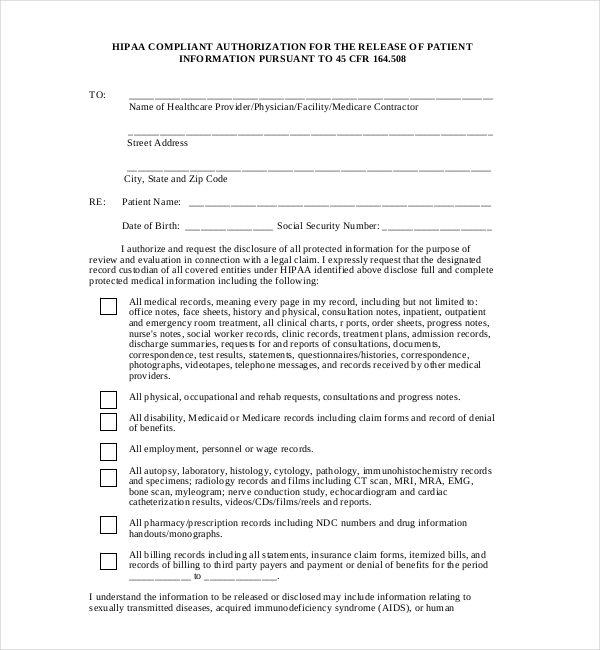
The medical record information release (hipaa), also known as the ‘health insurance portability and accountability act’, is included in each person’s medical file. this document allows a patient to list the names of family members, friends, clergy, health care providers, or other third (3rd) hipaa act medical records parties to whom they wish to have made their medical information available. (for example: date of birth, medical records number, health plan beneficiary numbers, address, zip code, phone number, email address, fax number, ip address, license numbers, full face photographic images or social security number see policy 5039 for a list of hipaa identifiers).
An act to amend the internal revenue code of 1996 to improve portability and continuity of health insurance coverage in the group and individual markets, to combat waste, fraud, and abuse in health insurance and health care delivery, to promote the use of medical savings accounts, to improve access to long-term care services and coverage, to. (under the usa patriot act and the hipaa regulations) introduction. if you have visited a doctor's office, hospital or pharmacy over the past few months, you may have received a notice telling you that your medical records may be turned over to the government for law enforcement or intelligence purposes. Mar 19, 2021 · the health insurance portability and accountability act of 1996 (hipaa) provides comprehensive guidance for patients, including their privacy rights concerning the use or disclosure of their medical information.
We call the entities that must follow the hipaa regulations "covered entities. " covered entities include: health plans including health insurance companies, hmos, company health plans, and certain government programs that pay for health care, such as medicare and medicaid. Traditional methods for patients to request medical records still exist; hipaa mandates the consumer’s right to access their medical records, receive copies of them, and request amendments to them. however, state and institutional policies vary in request processes, fulfillment costs, and the time between when a request is made and honored.
The health insurance portability and accountability act (hipaa) is a federal law that provides baseline privacy and security standards for medical information. the u. s. department of health and human services (hhs) is the federal agency in charge of creating rules that implement hipaa and also enforcing hipaa. What is the relationship between hitech and hipaa and medical records? title i of hipaa is concerned with the portability of health insurance and protecting the rights of workers between jobs to ensure health insurance coverage is maintained, which have nothing to do with the hitech act. The most common hipaa violations that have resulted in financial penalties are the failure to perform an organization-wide risk analysis to identify risks to the confidentiality, integrity, and availability of protected health information (phi); the failure to enter into a hipaa-compliant business associate agreement; impermissible disclosures of phi; delayed breach notifications; and the.
Office of court administration, representatives of the medical provider community in new york, and the bench and bar, designed to produce a standard official form that complies with the privacy requirements of the federal health insurance portability and accountability act (“hipaa”) and its implementing regulations, to be used to authorize. Unpaid medical bills. ah, the old unpaid medical bills. we all dread it, but most of us at hipaa act medical records some time will end up with unpaid medical bills. sadly, many of us experience the result of the hospital or doctor placing the account with a collection agency with no notification. Healthcare and medical informatics consultants offering web based solutions for hipaa privacy act compliant electronic medical record systems and research data collection. Dec 19, 2002 · however, even in these exceptional situations, the parent may have access to the medical records of the minor related to this treatment when state or other applicable law requires or permits such parental access. parental access would be denied when state or other law prohibits such access.
According to the health insurance portability and accounting act (hipaa) of 1996, you have the right to obtain copies of most of your medical records, whether they are maintained electronically or on paper. This major final rule addresses: changes to the physician fee schedule (pfs); other changes to medicare part b payment policies to ensure that payment systems are updated to reflect changes in medical practice, relative value of services, and changes in the statute; medicare shared savings program. Protecting the privacy of protected health information (phi) and the security of medical records is a major priority for the healthcare industry not just because of the rising numbers and impact of data breaches, but also because of laws like the health insurance portability and accountability act demand phi protection and impose hefty fines for noncompliance.


0 Comments:
Post a Comment