
Advantages And Disadvantages Of The Problem Oriented
Problem oriented medical records (pomr) were first described by dr. lawrence weed in 1968. as a patient-focused approach, pomr is advantageous to both patients and providers. the problem is that many doctors avoid using it, arguing that it’s too cumbersome, has many data synthesis restrictions and requires one to take a lot of notes. In a source oriented medical record, the record is kept together by subject matter (labs are all together, progress notes are all together). progress notes in a source oriented medical record are written in paragraph format. personally i don't see any source oriented medical records major advantages to this method. i suppose with the labs all in one area, it's easier to. At providence regional medical center everett, we believe the best care is created by building partnerships between our patients, their families and their medical professionals. this philosophy called “patient and family centered care” is the cornerstone of the work we do. and, our beautiful hospital facility is designed around it.
Differences Between Source Oriented Problem Oriented
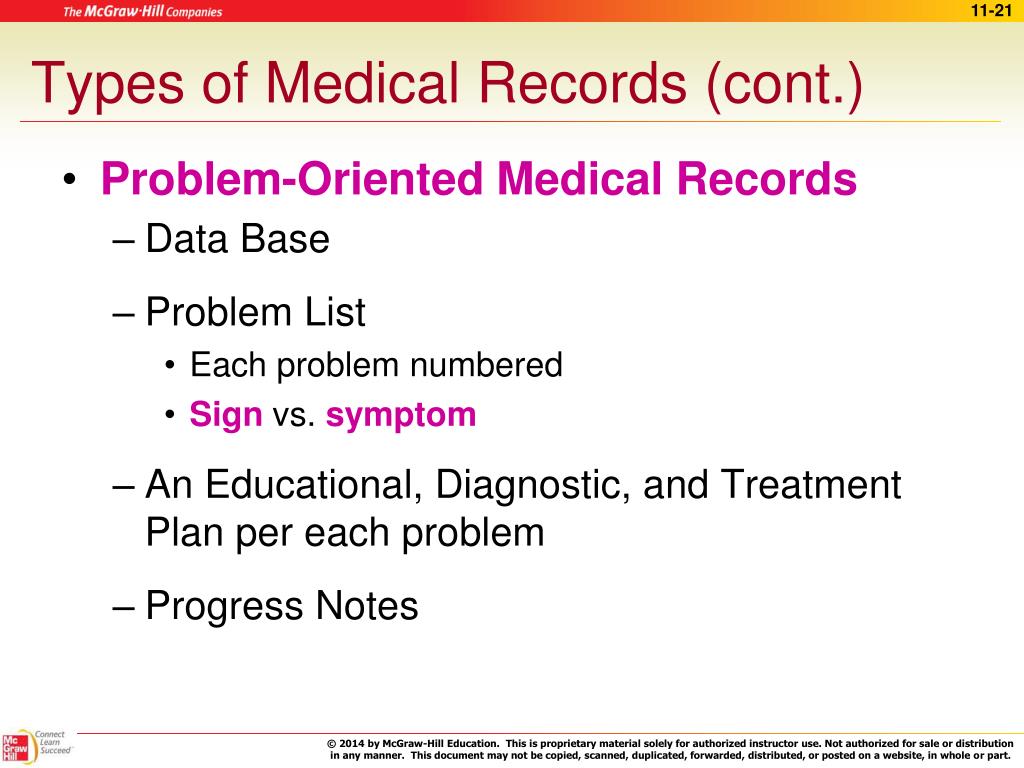
In a pomr or problem oriented medical record, the record is kept together by problem number (a number is assigned to each problem. progress notes in these records are kept in soap format. s. Sourceorientedrecords( sor)-each healthcare group maintains its own separate form. -events are organized chronologically. most recent entry nearest the front -record the order in the patient medical record-read back the order to verify accuracy-date and note the time the orders were issued-record verbal order, name of the physician/np who. The source oriented medical records problem-oriented medical record is more organized and structured compared to the source-organized medical record. it contains progress notes on what a patient's problem is and the plan of action. it helps the doctors record their notes about patients, and view the notes later that give them a good understanding of that patients history. the. Zdnet's technology experts deliver the best tech news and analysis on the latest issues and events in it for business technology professionals, it managers and tech-savvy business people.
Source-oriented (so) charting is a narrative recording by each member (source) of the health care team charts on separate records. so charting is time-consuming and can lead to fragmented care. problem-oriented medical record (pomr) charting was introduced by dr. lawrence reed to focus on the client's problem. For instance, if writing an application for handling medical records, the indexing of such records is a core concern, while logging a history of changes to the record database or user database, or an authentication system, would be cross-cutting concerns since they interact with more parts of the program. Mar 11, 2021 · dr. wei and his team have already come up with a prototype for searching medical records, and in may of 2020 vanderbilt university medical center started offering it to researchers everywhere.
Soap Note Wikipedia
Covid pandemic led to increase in medical runs for city.
The owensboro fire department saw its calls for service increase last year as firefighters responded to medical emergencies likely linked to the covid-19 pandemic. the fire department released its. Medicalrecords that are used by physicians come in three types: · problem oriented record · source oriented record · integrated record a source oriented record is a conventional approach, where data is organized according to its suppliers or sour. Source-oriented (so) charting is a narrative recording by each member (source) of the health care team charts on separate records. so charting is time-consuming and can lead to fragmented care. problem-oriented medical record (pomr) charting was introduced by dr. lawrence reed to focus on the client’s problem. pomr is a structured, logical. Advantages and disadvantages of the problem oriented medical record. 1. checkpoint: record formats * resource: ch. 4 of essentials of health information management: principles and practices 1. summarize, in 250 to 300 words, the differences among source oriented records, problem oriented records, and integrated records. 2.
Medline Overview

It's crap — that's what it is. another gimmick claiming to save “something,” but it will really do is give a for-profit company your phi (protected health information) and pii (personally identifiable information). think of it this way — they'll k. Database, any collection of data, or information, that is specially organized for rapid search and retrieval by a computer. databases are structured to facilitate the storage, retrieval, modification, and deletion of data in conjunction with various data-processing operations.
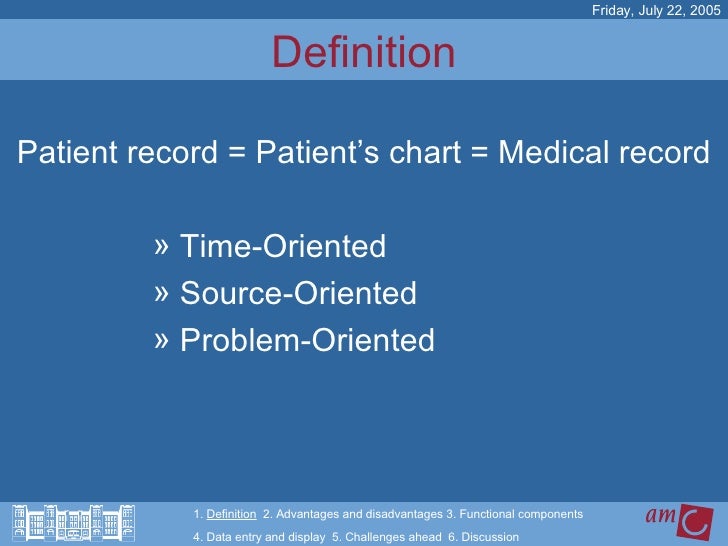
· source-oriented medical record (somr) a type of patient chart record keeping that includes separate sections for different sources of patient information, such as laboratory reports, pathology reports, and progress notes. · tickler file system to remind of action to be taken on a certain date. A benefit of using source-oriented medical records is that specific items can be found quickly. true. which of the following is the best description of a problem-oriented medical record? items of the same medical condition are filed together. in problem-oriented medical records, what is each medical condition assigned?
The story of ut southwestern source oriented medical records medical center is one of commitment to excellence, dedication to discovery, and service to the community. appointments 214-645-8300. professor of physiology, director of neuropsychiatry at yale medical school, famed for his research into mind control through electrical stimulation of regions in the brain source: congressional record, vol 118, no 26 (1974) nazi central for

A source oriented record is a conventional approach, where data is organized according to its suppliers or source. the sources could be individuals like physicians or nurses that are giving the care or even the individual departments or the specialties within the department that are involved with the care process. Sourceorientedmedicalrecord. in a source-orientedrecord things are grouped together by point of origin. all of the nursing records are together, the physician notes are together, respiratory, physical therapy, lab, medications, all kept together. problem oriented medical record. in a problem oriented medical record (pomr) the patient's. Problem-oriented medical record (pomr) the pomr as initially defined by lawrence weed, md, is the official method of record keeping used at foster g. mcgaw hospital and its affiliates. many physicians object to its use for various reasons it is too cumbersome, inhibits data synthesis, results in lengthy progress notes, etc. purposes only) social security administration as a genealogical source articles 2019 understanding electronic medical records reliability and integrity as critical components of medical
In a source oriented medical record (sor), the information about a patient's care and illness is organized according to the "source" of the information within the record, that is, if it is recorded by the physician, the nurse, or data collected from an xray or laboratory test are filed under their specific sectionalized areas in the chart. An analysis of electronic health records for 1. 7 million wisconsin patients revealed a variety of health problems newly associated with fragile x syndrome, the most common inherited cause of intellectual disability and autism,. Punch holes in your medical records along the left margin with a 3-hole punch and place them in a sturdy three-ring binder or wire-bound notebook (maybe with dividers for each family member, or even a binder for each family member). use different colored index dividers to organize your medical records by medical provider and/or facility.
When used in a problem-oriented medical record (pomr), relevant problem numbers or headings are included as subheadings in the assessment. plan component source oriented medical records [ edit ] the plan is what the health care provider will do to treat the patient's concerns—such as ordering further labs, radiological work up, referrals given, procedures performed. Feb 10, 2021 · medline is the online counterpart to the medical literature analysis and retrieval system (medlars) that originated in 1964 (see medline history). the majority of journals are selected for medline based on the recommendation of the literature selection technical review committee (lstrc) an nih-chartered advisory committee of external experts.
Problem-oriented medical record (pomr).


0 Comments:
Post a Comment